In short
- Listed building consent is needed for any work that would affect a listed building’s character, inside or out.
- Doing that work without consent is a criminal offence, and the council can order it reversed.
- Conservation areas mainly control demolition, trees and, where an Article 4 direction applies, smaller changes.
- Like-for-like repair in matching materials usually avoids consent, but check with the council first.
What needs listed building consent?
You need listed building consent to demolish a listed building, or to alter or extend it in any way that would affect its character as a building of special interest. The listing covers the whole building, inside and out, and can include structures within its grounds.
The Planning Portal is clear that it is a criminal offence to carry out work that needs listed building consent without getting it first. The council can also require unauthorised work to be put back.
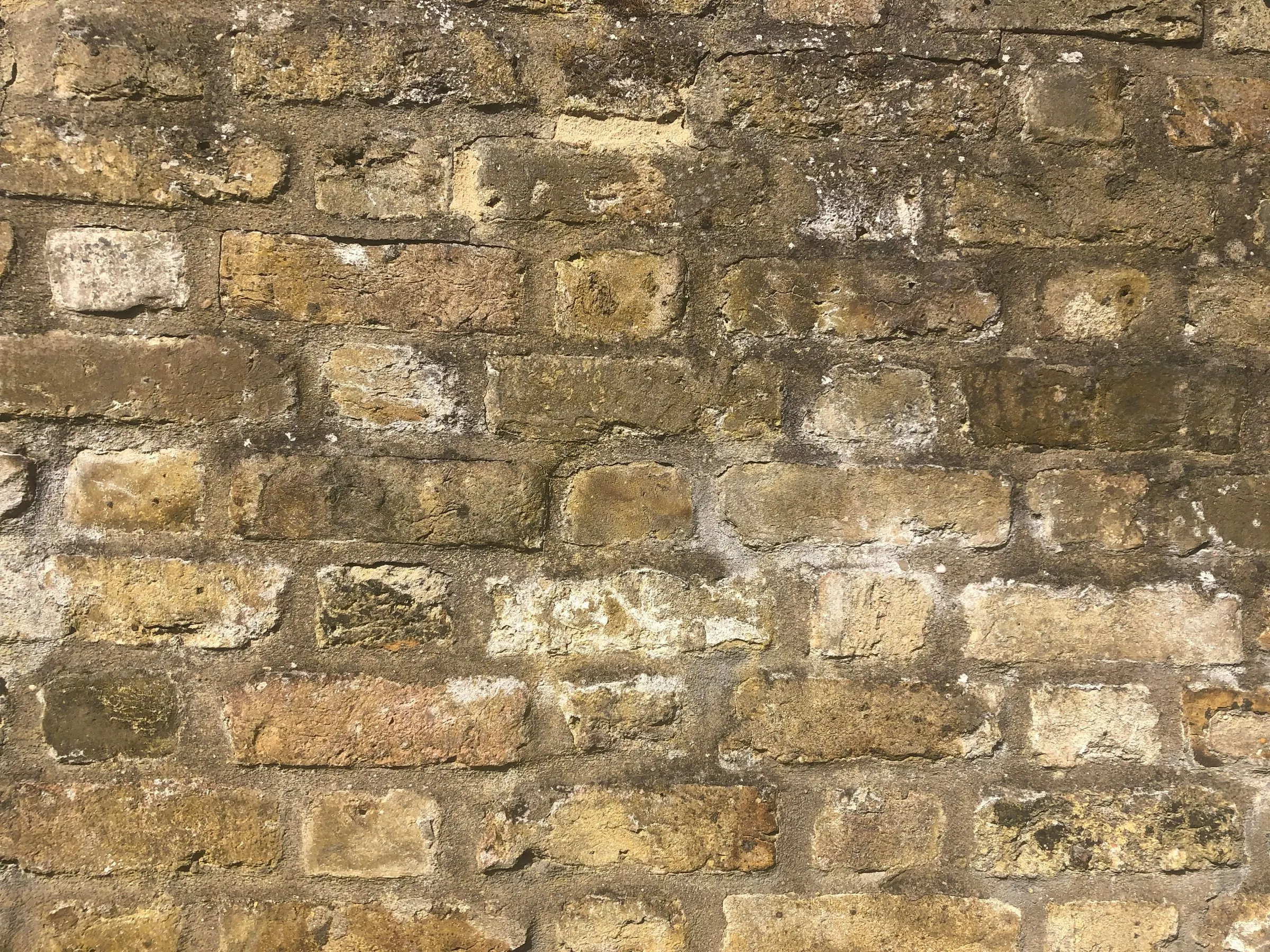
Typical works that need consent include removing walls or chimney breasts, replacing windows or doors, changing roof coverings, and repointing or repairs that use different materials, such as cement in place of lime.
Do repairs need consent?
Historic England’s guidance is that genuine like-for-like repair, using matching materials and methods, does not usually need consent. Replacing a cast iron gutter with cast iron is an example. Changing the material, for instance cast iron to plastic, typically does.
Where it is not clear, ask the council’s conservation officer before starting. Photographs and a short description of the work are usually enough to get an answer.
What changes in a conservation area?
A conservation area protects the character of a whole area rather than a single building. In most of them:
- Demolishing all or most of a building usually needs planning permission.
- You must normally give the council six weeks’ notice before cutting down or pruning trees above a set size.
- Some permitted development rights are narrower, for example for extensions and cladding.
- Where the council has made an Article 4 direction, smaller changes such as replacement windows, doors, roof materials or front walls may also need planning permission.
Working with conservation officers
Conservation officers are there to protect the building, not to stop the work. Involving them early, before plans are fixed, usually makes for a smoother application. Many councils offer pre-application advice.
Expect to be asked for details: the mortar mix, the brick to be used, joinery drawings, sometimes a sample panel or trial area. A builder who understands traditional materials can provide this and talk the same language.
We have worked alongside conservation officers and architects on listed buildings and in conservation areas across London for many years, and from 1980 to 1991 we were an approved restoration contractor to four London borough councils.
Why like-for-like materials matter
Older buildings were built from materials that work together: soft bricks, lime mortar, lime plaster, timber and slate. Replacing one part with a modern equivalent can upset that balance. Hard cement pointing that damages soft bricks is the most common example.
Like-for-like is not only about appearance. It means matching the brick, the mortar strength and the method, so the repair behaves like the original and lasts as long.