Know your house before you call anyone
21 short guides from a firm that has worked on London’s older houses since 1976. Most people read up before they ask for quotes. Here’s what we’d tell you on the visit.
Buying & choosing
Start here if you’re buying an older house, or choosing who to trust with one.
What type of house do I have?
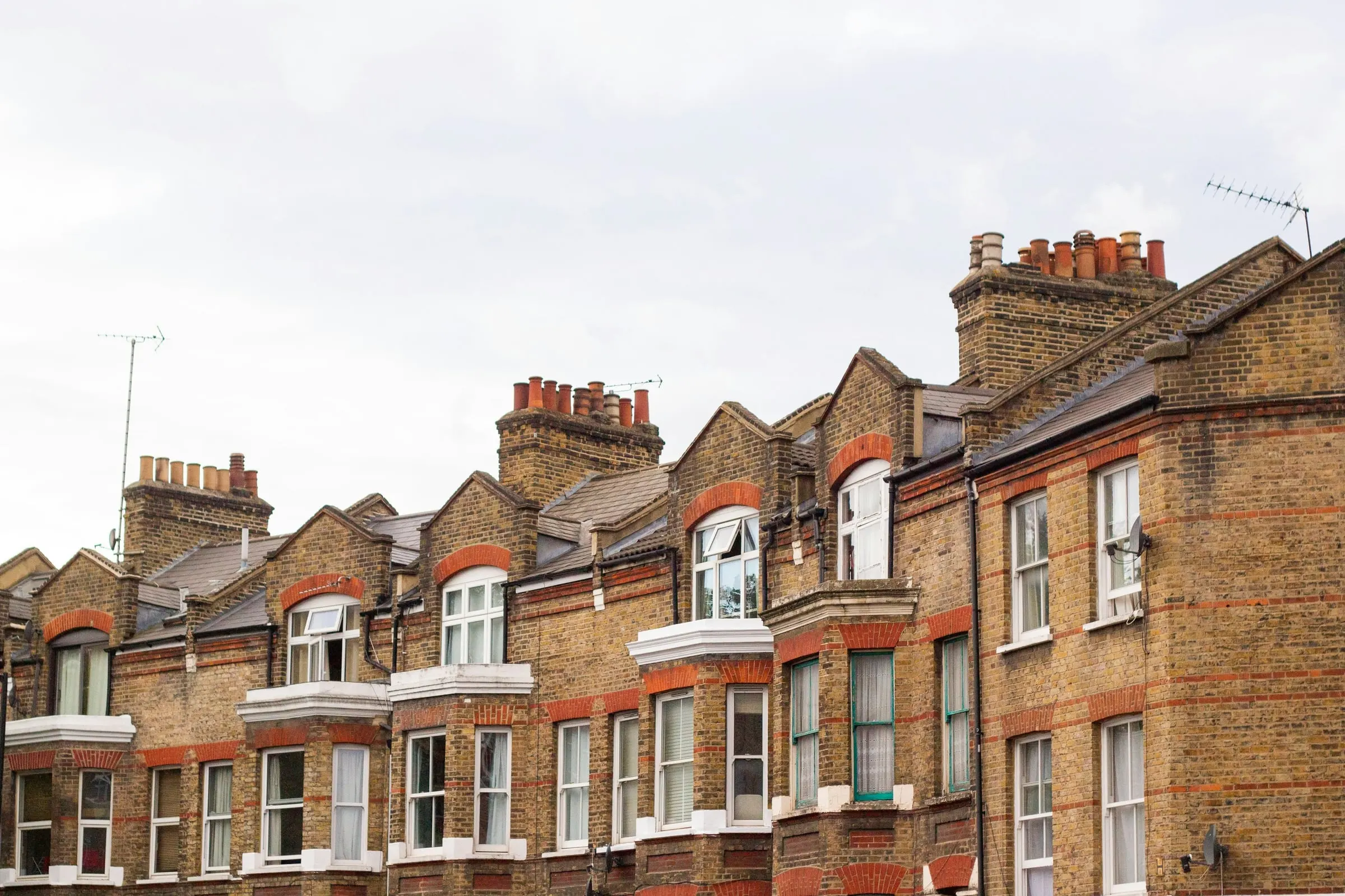
Knowing roughly when your house was built tells you how its walls work, which materials it needs and what tends to go wrong. The biggest difference is whether the walls are solid or have a cavity.
Read →How to choose a builder for an older house
Building work is one of the biggest investments most people make in their home, and it is hard to judge a builder from a van or a website. The best test is what they say when they look at your house.
Read →Your survey found problems. What next?
A survey on an older house almost always lists defects, and it can read as alarming. Most are normal for the age of the house. What you need to know is which matter, and what they cost, before you are committed.
Read →Chimney breasts
What removing a chimney breast actually involves, and what to do about one someone else took out.
Removing a ground floor chimney breast
Taking out the breast in a front room or kitchen gains floor space, but the brickwork above it still has to be carried. Here is how that is done properly, and the approvals you need.
Read →Removing an upstairs chimney breast, or both floors
Bedroom chimney breasts are often the first to go, because the space matters more upstairs. The ground floor breast can stay, or both can come out. Each option needs a different kind of support.
Read →Taking a chimney stack down below the roof
Some stacks are kept and carried on steels. Others are better removed altogether: a stack in poor condition, a breast removed from every floor, or a loft conversion that needs the space.
Read →Removing a chimney breast and keeping the stack
Most people want the space inside but don’t want to change the roofline. That is a common project: the breasts come out and the stack stays, carried on steel.
Read →When a chimney breast was removed without proper support
It is one of the most common faults found in older London houses. A previous owner took out the breasts, and the brickwork above was left resting on whatever was nearby.
Read →Why a disused chimney needs air at the top and bottom
A chimney that is no longer used, or a breast left in place after others are removed, can trap moisture. A vented cap on top and an air vent low down keep air moving through it.
Read →Structural & paperwork
Engineers, steels, party walls and building control, in plain English.
Building notice or full plans: the two routes explained
Structural work such as a chimney breast removal or a knock-through needs building regulations approval. There are two ways to apply to your council, and two ways we can handle it for you.
Read →Party wall agreements: how the Act works
If you share a wall with your neighbour, much structural work needs notice under the Party Wall etc. Act 1996 before it starts. Here is how the process runs.
Read →When you need a structural engineer
Any work that changes how a house stands up needs someone to prove it will still stand up. That is the structural engineer’s job, and building control will expect to see their figures.
Read →Knocking through a load-bearing wall
Opening up the kitchen and dining room, or the front and back rooms, is one of the most common changes to a Victorian or Edwardian house. If the wall carries load, it is structural work with a set order.
Read →Brickwork & period houses
Mortar, bricks and pointing: why older houses need doing the old way.
Lime mortar or cement mortar: which does your house need?
Most brick houses built before the twentieth century were laid in lime. If yours was, the repairs need to go back in lime too. Here is why, and how to tell what you have.
Read →Gauged brickwork and tuck pointing
Two of the finest traditional brickwork finishes on London’s older houses. One uses specially cut bricks, the other imitates them with clever pointing. Both need a skilled hand to repair.
Read →London stock bricks
The yellow-brown brick of Georgian and Victorian London. If you are repairing a wall, extending or rebuilding a garden wall, getting the brick right is half the job.
Read →Types of brick pointing, and which one suits your house
The shape of the joint changes how a wall looks and how well it sheds rain. The right one depends on the brick, the age of the house and how exposed the wall is.
Read →Signs your house needs repointing
Pointing wears away slowly, and most walls only need it in places. These are the signs that it is time, and the ones that point to a different problem.
Read →Building work on listed houses and in conservation areas
Owning a listed house or living in a conservation area adds a layer of control to building work. Knowing what needs consent, and talking to the council early, saves delays and trouble later.
Read →Damp
Find the cause before anyone sells you a cure.
Damp caused by high ground levels outside
A great deal of damp in older houses starts outside, at the foot of the wall. Before anyone injects anything, look at what has happened to the ground around the house.
Read →Damp-proof injection in old houses: is it the right fix?
If you own an older house with damp walls, someone will probably suggest injecting a chemical damp-proof course. Sometimes it has a place. Often the damp has a different cause, and the injection does not fix it.
Read →Read enough? Get a quote
Describe the project and where it is. We’ll reply to arrange a visit, then send an itemised written quote.
- We reply within 2 working days
- We visit and look at the project properly
- You get an itemised, provisional quotation
Rather talk it through? Call or WhatsApp Lee on 07875 545032.
Photos help. Send them from the contact page or reply to our email with them.
Thanks, your enquiry is with us
We’ll reply within 2 working days.