In short
- Repointing is due when the mortar has worn back about as deep as the joint is wide, or is loose.
- Soft mortar on its own is not a reason to repoint. Lime mortar is meant to be soft.
- Most walls wear unevenly, so patch repointing is often all that is needed.
- Crumbling bricks next to hard grey joints usually mean the wrong mortar, not old age.
The main signs to look for
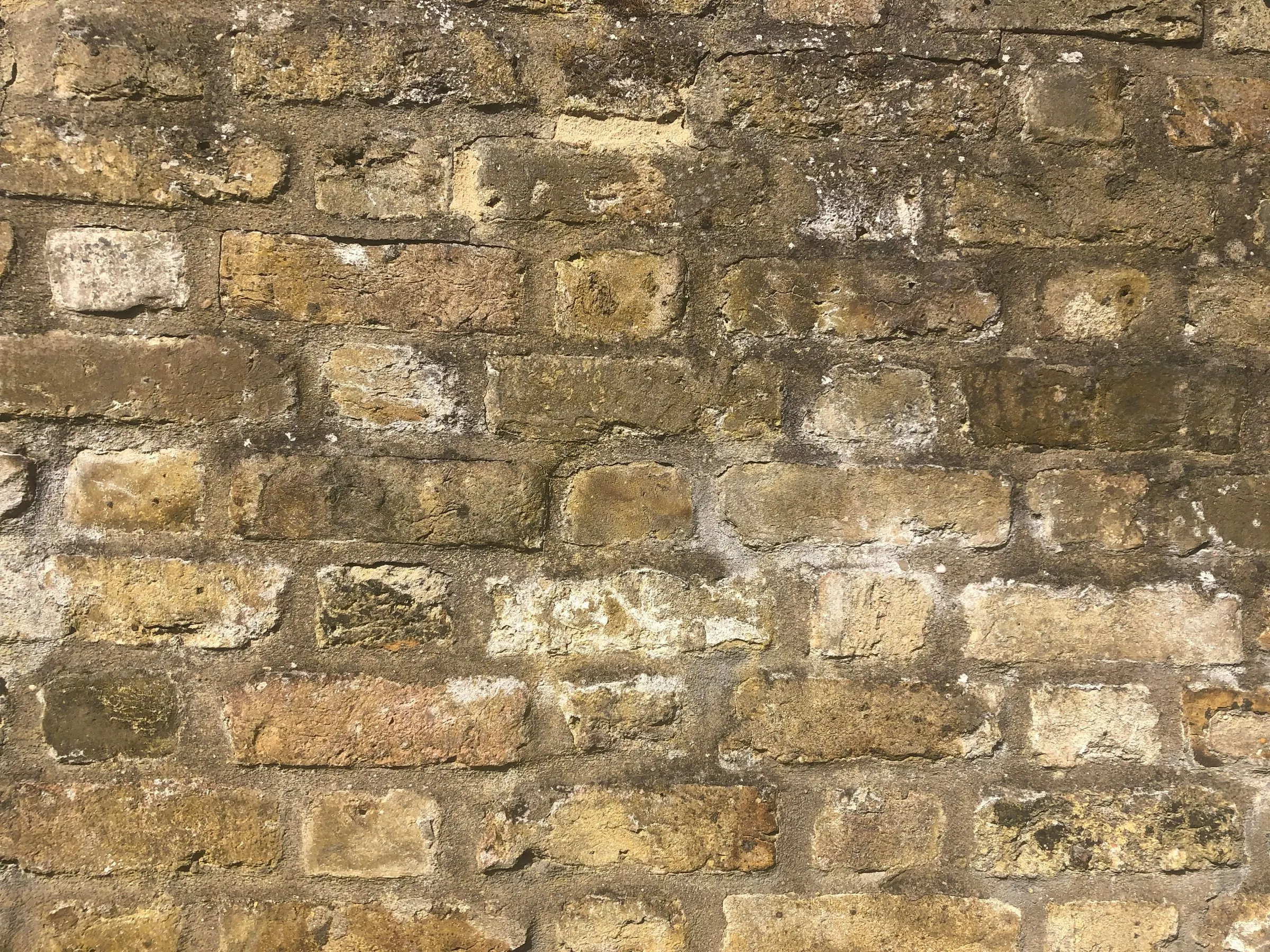
- Mortar worn back from the brick face by roughly the width of the joint or more.
- Mortar that is loose, cracked or falling out when touched.
- Gaps where you can see into the joint, or plants growing out of it.
- Damp patches inside on an outside wall, especially after driving rain.
- Brick faces flaking or crumbling, particularly beside hard cement joints.
- Staining or water running down the wall from one area.
Where pointing usually fails first
Pointing wears fastest where water reaches it most. Chimney stacks, parapets, gable ends and garden walls are exposed on several sides and usually need attention before the main walls. Areas under leaking gutters, overflowing hoppers or broken downpipes wear quickly too.
If one patch has worn far faster than the rest, find out why before repointing. A leaking gutter will wash out new pointing just as fast as the old.
When not to repoint
The SPAB advises that repointing is premature until the mortar has weathered back to about the depth of the joint width, or is very loose. Lime mortar that is soft but still in place is doing its job, and raking it out unnecessarily wears the brick edges and costs money.
Walls rarely wear evenly. Repointing only the areas that need it, matched to the existing joint, is often the better choice than repointing a whole house.
When the pointing is the problem
On many period houses the trouble is earlier repointing in hard cement. You will see grey joints standing proud while the bricks around them crumble back. Here the fix is not more cement but careful removal where it is failing and repointing in lime.
Cracks running diagonally through bricks and joints, or walls bulging, are a different matter. They can point to movement and should be looked at before any repointing.
What happens next
We look at the wall, the brick and the existing mortar, find any cause such as a leaking gutter, and tell you what needs doing now and what can wait. You get an itemised quote covering raking out, repointing, any brick replacement and access such as scaffolding.