In short
- Removing the stack takes the weight off whatever is left of the chimney below.
- The roof timbers are extended across the gap and the roof covering matched in.
- What remains of the breast inside must still be supported, and any part left should be ventilated.
- Building regulations apply. In a conservation area or on a listed house, ask the council’s planning team first.
When taking the stack down makes sense
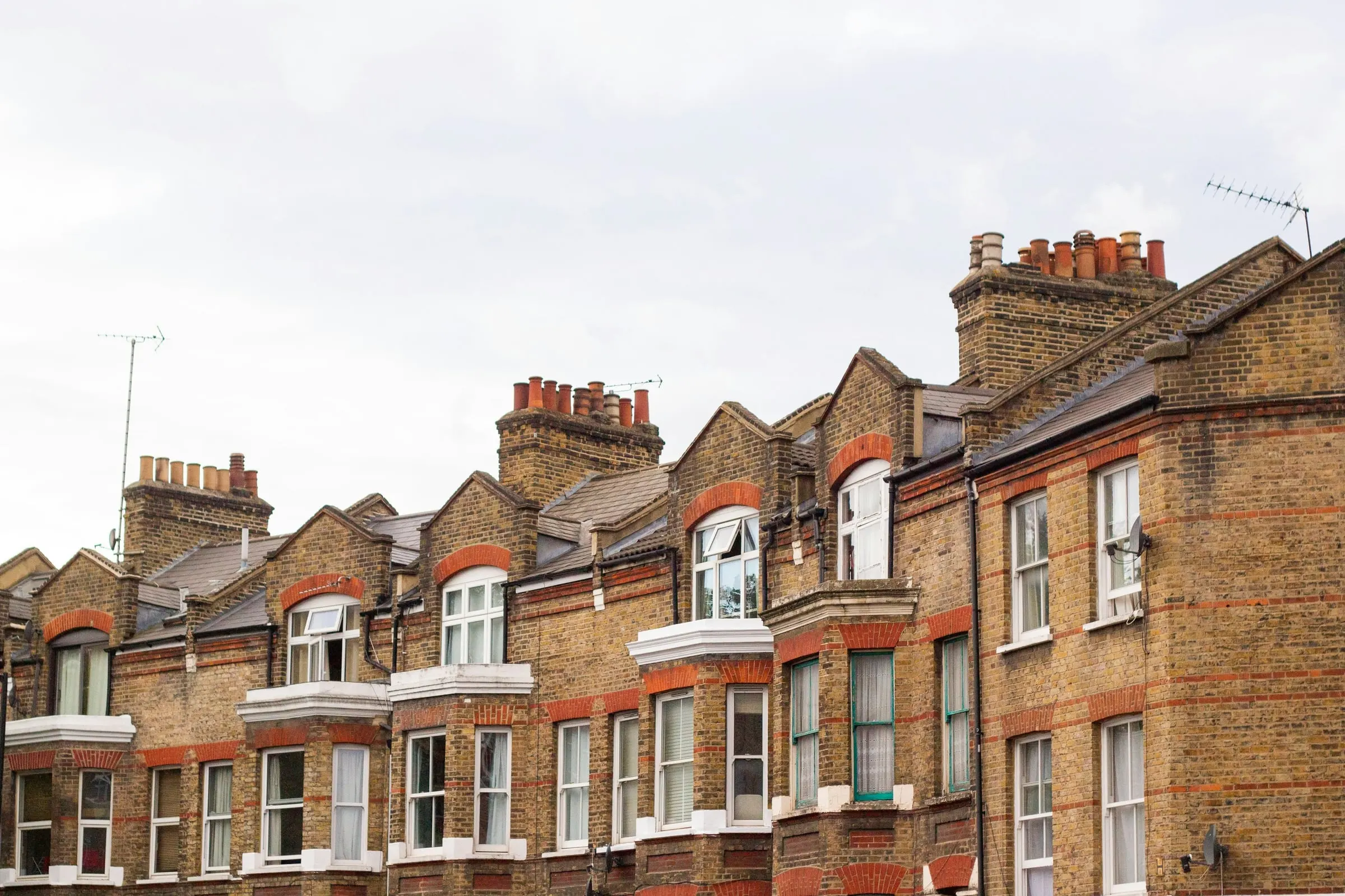
If the breasts are coming out on every floor, the stack is the last heavy piece left. Removing it means there is nothing above to carry, so there is no need for steels in the loft. It also suits a loft conversion, where the breast in the loft would otherwise take up room.
A stack that is leaning, cracked or crumbling needs work either way. Rebuilding it means scaffolding and new brickwork; removing it also needs scaffolding, but ends the upkeep. If the stack is sound and adds to the look of the house, keeping it is often the better choice.
How the roof is made good
The stack is taken down course by course from scaffolding, to below the roofline. The rafters and battens are then extended across the opening, felt or membrane is lapped in, and the gap is covered with slates or tiles that match the rest of the roof. Lead flashings around the old stack are removed and the roof is made watertight.
On a terrace, the stack often contains your neighbour’s flues as well as yours. Where that is the case, only your half can come down, and the remaining half has to be left stable and weathered. That is a party wall matter and needs agreement first.
What happens to the chimney below
Removing the stack does not automatically mean the breasts must go. Any breast left inside should be capped and ventilated so it doesn’t trap damp. If breasts lower down have already been removed, whatever is left in between still has to be supported properly.
Some council guidance also sets rules on what can be left. Redbridge, for example, says the breast left below the roofline must be at least as tall as the brickwork left above it, and that new brickwork must not simply be corbelled out from the old.
Do you need planning permission to remove a chimney stack?
Usually not for an ordinary house, but it depends on where you live. In a conservation area, or where the council has made an Article 4 direction, removing a stack that can be seen from the street may need planning permission. On a listed building it will need listed building consent. The Planning Portal advises checking with your local planning authority, or applying for a lawful development certificate if you want it confirmed in writing.
Building regulations approval is needed because the work affects the structure.